
Richmond vs Oakland in 2026: Two Bay Waterfront Markets Compared
By Eduardo Ledesma, Real Estate Consultant & Auctioneer · DRE# 01198626
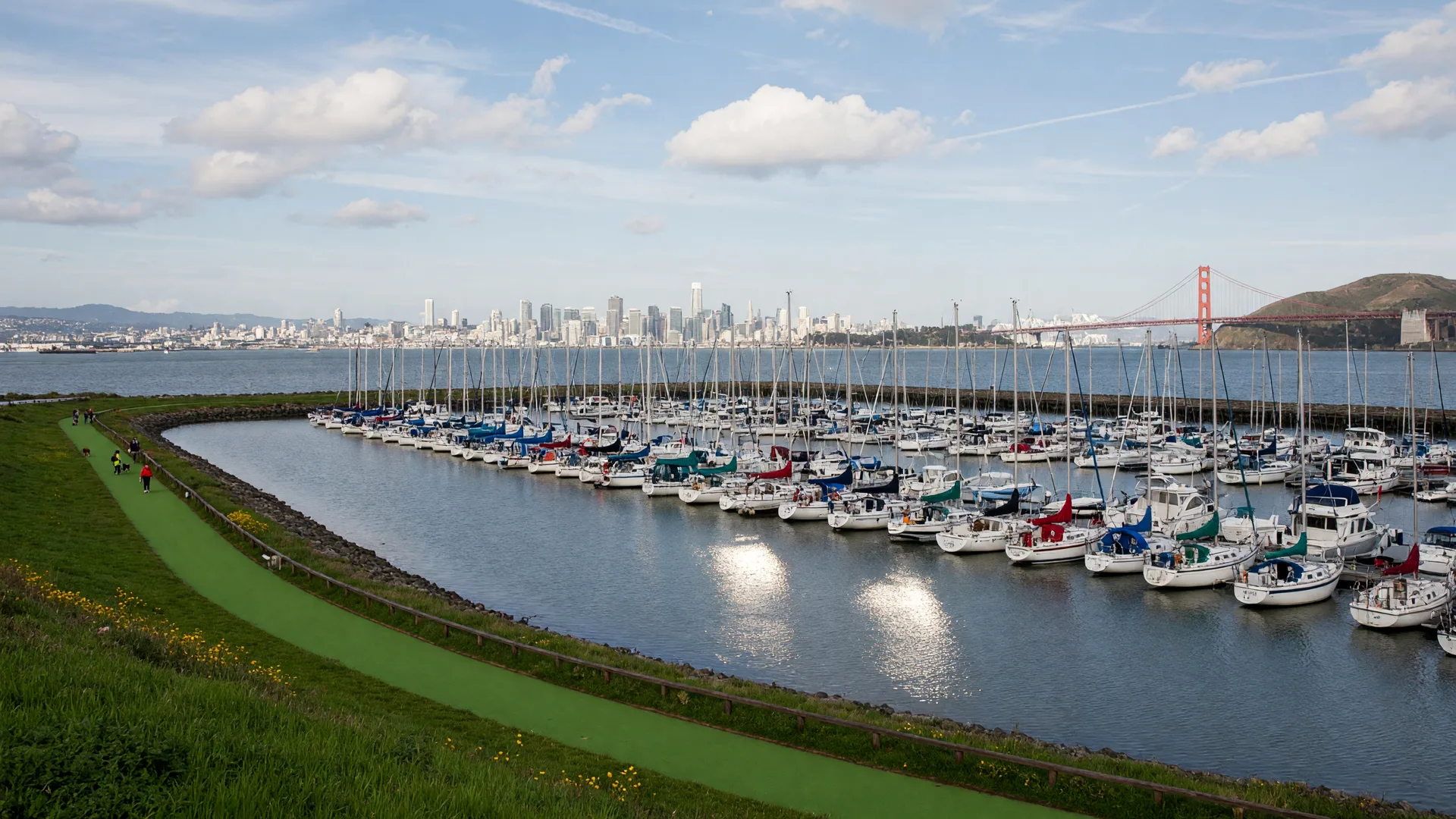
Richmond and Oakland are two of the Bay Area's most accessible waterfront cities, and in 2026 they are moving in the same direction. Richmond's citywide median sits near $600,000 to $650,000, up about 6.5% year over year, while Oakland's citywide median runs closer to $708,000 to $810,000. At the median, Oakland runs roughly $100,000 to $160,000 more expensive than Richmond, a gap that has kept Richmond one of the region's strongest value plays for first-time buyers and investors.
Both cities are leaning into transit-oriented development and waterfront reinvestment. The right choice depends on how much you want to spend, how often you commute, and whether you prefer Richmond's quieter shoreline or Oakland's urban energy.
Neighborhoods: where does the money go?
Richmond: The waterfront is the draw. Point Richmond, near $877,000, offers a walkable village and marina views, while Richmond Annex, around $881,000, sits close to the El Cerrito Del Norte BART station. Marina Bay adds ferry access to San Francisco, and more affordable inland pockets throughout the city give first-time buyers and investors a realistic entry point near $600,000 and below.
Oakland: Neighborhood prices spread widely. Rockridge runs around $1.6M, Montclair above $1.3M, and Temescal near $1M, while West Oakland, around $715,000 and up about 16.8% year over year, and Fruitvale, with homes from about $610,000, offer some of the city's most attainable entry points near transit.
Commute and transit: how do they compare?
Richmond's BART station puts downtown San Francisco about 35 to 40 minutes away, with Amtrak's Capitol Corridor, I-80, I-580, and the San Francisco Bay Ferry at Marina Bay as alternatives. Oakland is closer to the action: BART rides from West Oakland or Lake Merritt reach the Embarcadero in about 12 to 15 minutes, and I-880, I-580, the OAK airport station, and the Jack London Square ferry round out the network. For daily San Francisco commuters, Oakland wins on speed.
What new development is shaping each city?
Richmond's City Council approved the Marina Point waterfront project, 70 homes on Marina Way South, in May 2026, with roughly 222 units across Canal Boulevard, Central Avenue, and Marina Bay under review, and the Richmond Transit Village TOD still in BART's planning pipeline. Oakland's West Oakland BART transit village, 762 residential units with office and retail space, is slated to start construction in 2026, joined by the 240-unit Mandela Station affordable building at West Oakland BART. Oakland's near-term pipeline is larger, while Richmond's approvals are smaller and more heavily negotiated.
Who should choose which city?
Choose Richmond for waterfront value, a quieter pace, and some of the Bay Area's best entry pricing. Choose Oakland for the fastest commute, established walkable neighborhoods, and the biggest near-term transit development. I know both markets well and can help you weigh the trade-offs honestly.
Deciding between Richmond, Oakland, or another East Bay city?
I serve Alameda and Contra Costa counties, including Richmond and Oakland. Let's talk through your goals and find the right fit, with no pressure, just good information.
Schedule a Consultation